


Article
Is Your Business Prepared for Hurricane Season?
Published: May 20, 2026
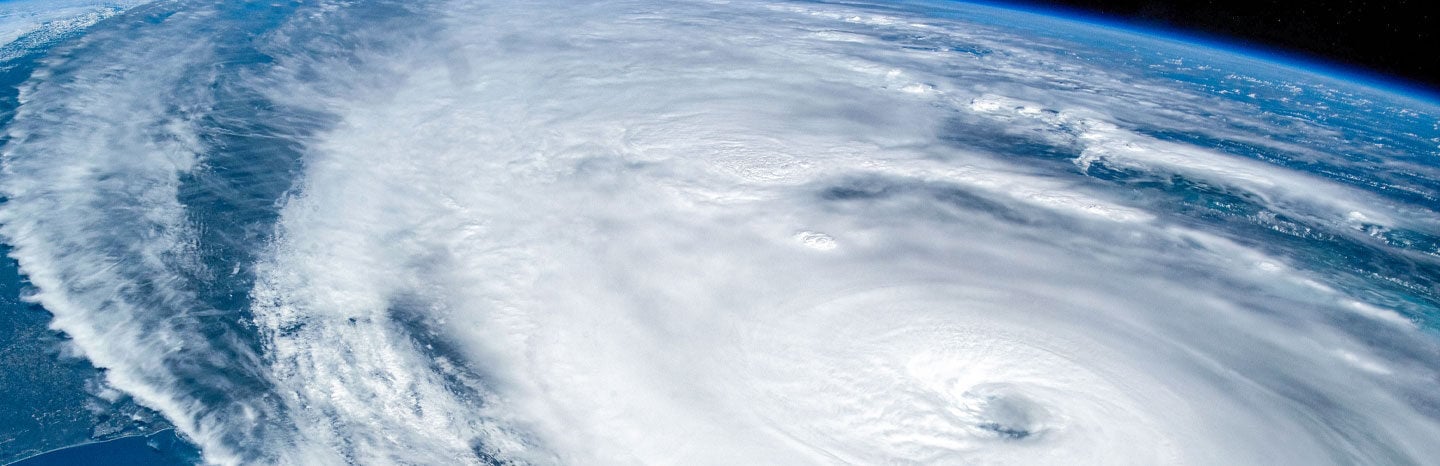
“Squalls out on the gulf stream, big storms comin’ soon,” sang the late, great Jimmy Buffett, who knew, as a coastal resident, the power of a great storm. While summer is known for long days and family getaways, it also signals the start of hurricane season, prompting businesses to revisit their Emergency and Preparedness Plans.
Forecasters are projecting a below-average Atlantic hurricane season in 2026, which runs from June 1 to November 30. Colorado State University projects 13 named storms, 6 hurricanes, and 2 major hurricanes, below the 1991–2020 averages. NOAA will release its official 2026 outlook on May 21. An anticipated El Niño, which increases wind shear and sinking air in the Atlantic, is the primary factor hindering hurricane development. Sea surface temperatures are also not as anomalously warm as in recent years.
As the 2026 hurricane season arrives, below are our top tips for planning for hurricanes and other potential disasters:
1. Review Your Business Emergency and Preparedness Plan
Let’s not forget the adage, “Those who fail to plan, plan to fail.” If you don’t have a written emergency response plan for your business, write one NOW. This plan should outline procedures for evacuating employees, securing the business premises, implementing business continuity measures, and prioritizing post-storm recovery. Include checklists for routine maintenance and inspections to identify potential risks. Make sure to publish this plan and provide it to all employees.
One important piece: review work-from-home policies. Even companies with in-office requirements should have remote work exceptions in emergencies. Employees may be unable to return after a storm, and the company may not be able to operate from a damaged building. Creating a backup plan to keep the business running is necessary.
2. Establish a Communication Plan
Having a communication infrastructure in place is critical during and immediately after a crisis. Ensure the safety of your employees by annually updating emergency contact information for all employees, customers, suppliers, and vendors. Make sure you are aware of their disaster policies. Your plan should address how you will communicate with all stakeholders before, during, and after a natural disaster.
3. Designate a Disaster Recovery Team
An emergency plan is only the first part of the equation; you also need people available to implement it. Designate specific employees, usually members of the management team, to responsibly execute the plan. Test the emergency plan to (a) identify gaps, (b) confirm all employees receive communications, and (c) identify tools needed for implementation.
The Disaster Recovery Team should also be responsible for securing business property: boarding up windows, securing outdoor equipment, and clarifying roles and responsibilities with building owners and managers.
4. Review Insurance Coverage and Policies, and Document/Back Up Data
When a hurricane is coming, insurance policies are not usually top of mind. That’s why reviewing them before a storm is imminent is important. Know your policy coverages, deductibles, and contract language so your Disaster Recovery Team can comply with policy requirements when making a claim. Have property and assets regularly appraised to ensure adequate coverage.
Be familiar with all contract language in your insurance policies. The more specific your contract terms, the less open to interpretation by your insurer or a court. Photograph or video business assets showing their condition prior to a storm. Accurate documentation can reduce the time required to receive insurance proceeds and financial recovery assistance.
Work with your IT team to back up all data, business records, financial information, and customer files. Tie this into your remote work policy so employees know how and when they can access company systems if unable to work onsite.
5. Understand the Recovery Resources Available
Federal, state, and local resources are available to assist with recovery after a natural disaster. Understanding ahead of time what funds your business, organization, or governmental entity may be eligible for, and how to access them, goes a long way to alleviating the stress of picking up after a disaster.
While the Federal Emergency Management Agency is slowly rebuilding its workforce, the agency still lacks a permanent administrator. Other changes at the federal level have impacted previously available levels of funding. Knowing what state and local resources are available in addition to FEMA and other federal assistance will help entities and organizations prepare.
Notably, recent FEMA Notices of Funding Opportunity (NOFO) reflect the current administration's renewed emphasis on proactive, pre-disaster mitigation. In March 2026, FEMA published its Fiscal Years 2024–25 Building Resilient Infrastructure and Communities (BRIC) funding opportunity, making $1 billion available to states, local governments, territories, and Tribal Nations for decisive, proactive steps to protect communities before disasters strike. The program prioritizes infrastructure projects ready to implement, such as utility hardening, securing pump stations, improving flood barriers, and relocating critical facilities out of flood-prone areas. Similarly, FEMA's Fiscal Year 2024 Flood Mitigation Assistance NOFO makes up to $600 million available to reduce or eliminate the risk of repetitive flood damage through localized flood risk reduction projects. For eligible applicants, including parishes, municipalities, counties, and other local government entities, these funding opportunities signal that the federal government expects communities to invest in resilience now rather than waiting for the next storm to hit.
Multiple resources are available for hurricane recovery, including:
-
SBA and its low-interest disaster loan programs,
-
U.S. Department of Housing and Urban Development funding opportunities,
-
HUD Community Development Block Grant Program (Disaster Recovery)
There are more than 1,500 federal agencies and programs that can be leveraged with initial FEMA funding, plus additional funds at the state and local levels. We encourage businesses to understand these opportunities before a disaster hits.
Last, But Not Least, Is Your Name on This Year’s List?
Is your name on this year’s 2026 Atlantic Hurricane Season list? They are in alphabetical order – Arthur, Bertha, Cristobal, Dolly, Edouard, Fay, Gonzalo, Hanna, Isaias, Josephine, Kyle, Leah, Marco, Nana, Omar, Paulette, Rene, Sally, Teddy, Vicky, and Wilfred. If your name is on this list, please be gentle when your time comes and your name is called.
Our Adams & Reese Disaster Preparedness and Response Team will keep you updated on any pertinent news you need to know throughout the entire hurricane season. Stay tuned for additional tips to help your business prepare and be proactive.
About the Adams & Reese Disaster Preparedness and Response Team: Thanks to our footprint with offices across the Southeast, our team is familiar with a host of natural disasters that can strike, both with advance notice and without warning. Our team members have helped businesses and individuals with proactive disaster planning for events such as hurricanes, and our experience includes post-natural disaster relief counseling in the event of an unanticipated weather event such as a tornado or flood. We address issues including insurance claims, business interruption, liability, employment issues, and related litigation that may arise following a severe weather event.